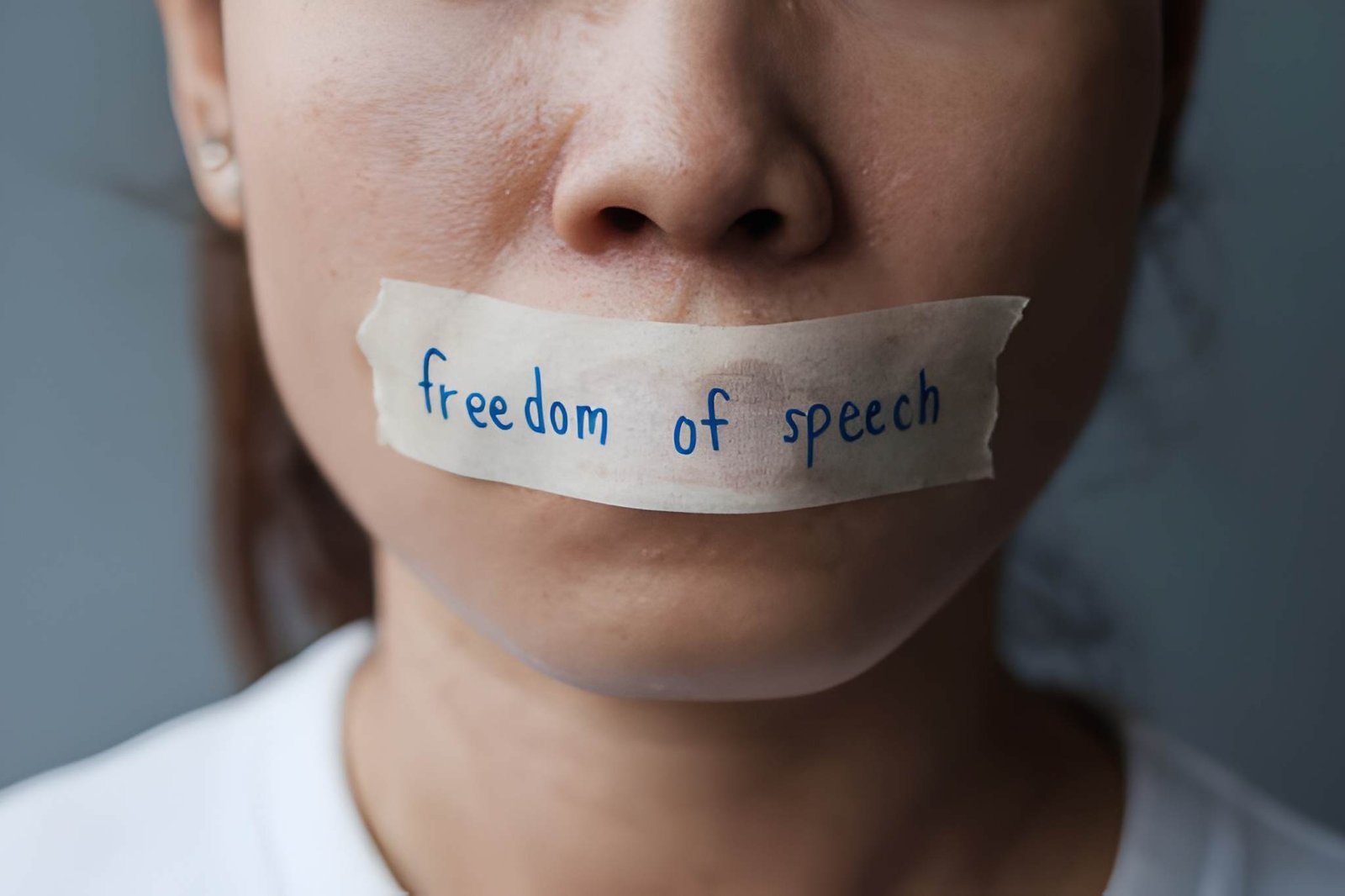
Social media has transformed the way people communicate, share opinions, engage in political debate, and participate in public discourse. Platforms such as Twitter/X, Facebook, Instagram, TikTok, and YouTube now function as modern public squares where millions of individuals exchange ideas every day. While these platforms have expanded opportunities for communication and activism, they have also introduced new concerns surrounding censorship, free speech, online moderation, and digital influence.
In the scholarly article “Playing Politics: Social Media, Censorship, and Speech Gamification,” Khaled Beydoun explores how major social media platforms increasingly shape political expression and public engagement in the digital era. The work examines the evolving relationship between technology companies, online speech, democratic participation, and algorithmic control. Through legal analysis and social commentary, the article raises important questions about who controls speech online and how these decisions influence society.
One of the central themes of the discussion is the growing authority of social media corporations over digital communication. Unlike traditional public spaces protected by constitutional free speech standards, social media platforms are privately owned corporations with their own policies, moderation systems, and community guidelines. These companies possess the ability to remove content, suspend accounts, reduce visibility, and regulate speech according to internal standards that may change over time.
This raises significant concerns about transparency and accountability. Many users rely on social media platforms to express opinions, organize movements, and access information. When content is removed or visibility is restricted, questions emerge regarding fairness, consistency, and bias in moderation practices. The article highlights how content moderation decisions can directly influence political conversations, social movements, and public understanding of current events.
Another important issue discussed is the role of algorithms in shaping visibility and engagement. Social media platforms often prioritize content that generates attention, emotional reaction, and user interaction. As a result, controversial or emotionally charged material may receive increased visibility, while nuanced discussions and complex perspectives receive less attention. This dynamic creates an environment where online discourse becomes increasingly influenced by engagement metrics rather than meaningful dialogue.
The concept of “speech gamification” further explains how social media platforms encourage users to compete for visibility, influence, and attention. Likes, shares, reposts, views, and trending systems reward content that performs well within platform algorithms. Over time, this can alter the way people communicate online. Instead of focusing solely on thoughtful discussion, users may feel pressure to create content designed to maximize reactions and engagement.
Political discourse is especially affected by these systems. Public figures, activists, commentators, and organizations often rely on social media to communicate directly with audiences. However, algorithmic systems can amplify polarization by rewarding divisive content and emotionally driven narratives. This contributes to an increasingly fragmented digital environment where public conversations are shaped by platform incentives rather than democratic deliberation.
The article also explores how censorship concerns differ across communities and political contexts. Marginalized groups, activists, journalists, and advocacy organizations frequently depend on digital platforms to raise awareness and challenge dominant narratives. When moderation policies are inconsistently applied, these communities may experience disproportionate restrictions on visibility and expression. This creates additional concerns regarding equality, representation, and access within digital spaces.
At the same time, social media companies face pressure to address harmful content, misinformation, harassment, hate speech, and online extremism. Balancing free expression with user safety has become one of the most difficult challenges facing technology platforms today. Governments, legal scholars, civil rights advocates, and technology companies continue to debate how moderation should operate while preserving democratic values and protecting vulnerable communities.
The discussion surrounding misinformation has become particularly important in recent years. During elections, international conflicts, public health emergencies, and social crises, digital platforms play a major role in distributing information to global audiences. False or misleading content can spread rapidly through algorithms designed to maximize engagement. As platforms attempt to combat misinformation, they must also navigate concerns about political neutrality, censorship, and public trust.
Another significant aspect of the article involves the relationship between digital platforms and democratic participation. Social media has empowered grassroots activism, expanded public awareness, and increased access to political engagement. Movements related to racial justice, human rights, democracy, and social reform have gained international visibility through online communication. However, the same systems that enable activism can also limit visibility through moderation practices, shadow banning, or algorithmic suppression.
This creates a complex digital landscape where technology companies effectively function as gatekeepers of modern communication. Their policies influence which voices are amplified, which narratives gain traction, and which conversations dominate public attention. As a result, debates surrounding platform governance increasingly intersect with broader discussions about democracy, law, civil liberties, and human rights.
Khaled A. Beydoun’s scholarship encourages readers to critically examine the structure of modern digital communication and the growing influence of technology companies within society. Rather than viewing social media as neutral platforms, the discussion highlights how algorithms, moderation systems, and corporate policies actively shape political discourse and public understanding.
The article also emphasizes the importance of transparency in content moderation systems. Users often have limited understanding of how moderation decisions are made, why certain content is promoted, or how algorithmic rankings operate. Greater transparency may help build public trust while encouraging more accountable digital governance practices.
As technology continues to evolve, debates surrounding free speech, censorship, and digital rights will likely become even more significant. Artificial intelligence, automated moderation systems, and algorithmic personalization are already transforming online communication at a rapid pace. Policymakers, scholars, journalists, and technology leaders will continue to face difficult questions about how to preserve open discourse while addressing harmful online behavior.
Ultimately, “Playing Politics: Social Media, Censorship, and Speech Gamification” offers valuable insight into one of the defining issues of the modern digital era. The article provides a thoughtful examination of how online platforms influence communication, political engagement, and democratic society. By exploring the intersection of law, technology, and public discourse, Khaled A. Beydoun contributes to a broader understanding of the challenges shaping digital expression today.
In an age where social media platforms influence elections, activism, journalism, and public opinion, conversations about censorship and free speech are more important than ever. The ongoing debate will continue to shape the future of communication, democratic participation, and human rights in the digital world.
Read the full scholarly article here: Playing Politics: Social Media, Censorship, and Speech Gamification